
From FM to Digital Platforms: Radio’s Renaissance in the Current Entertainment and Media Space
May 27, 2026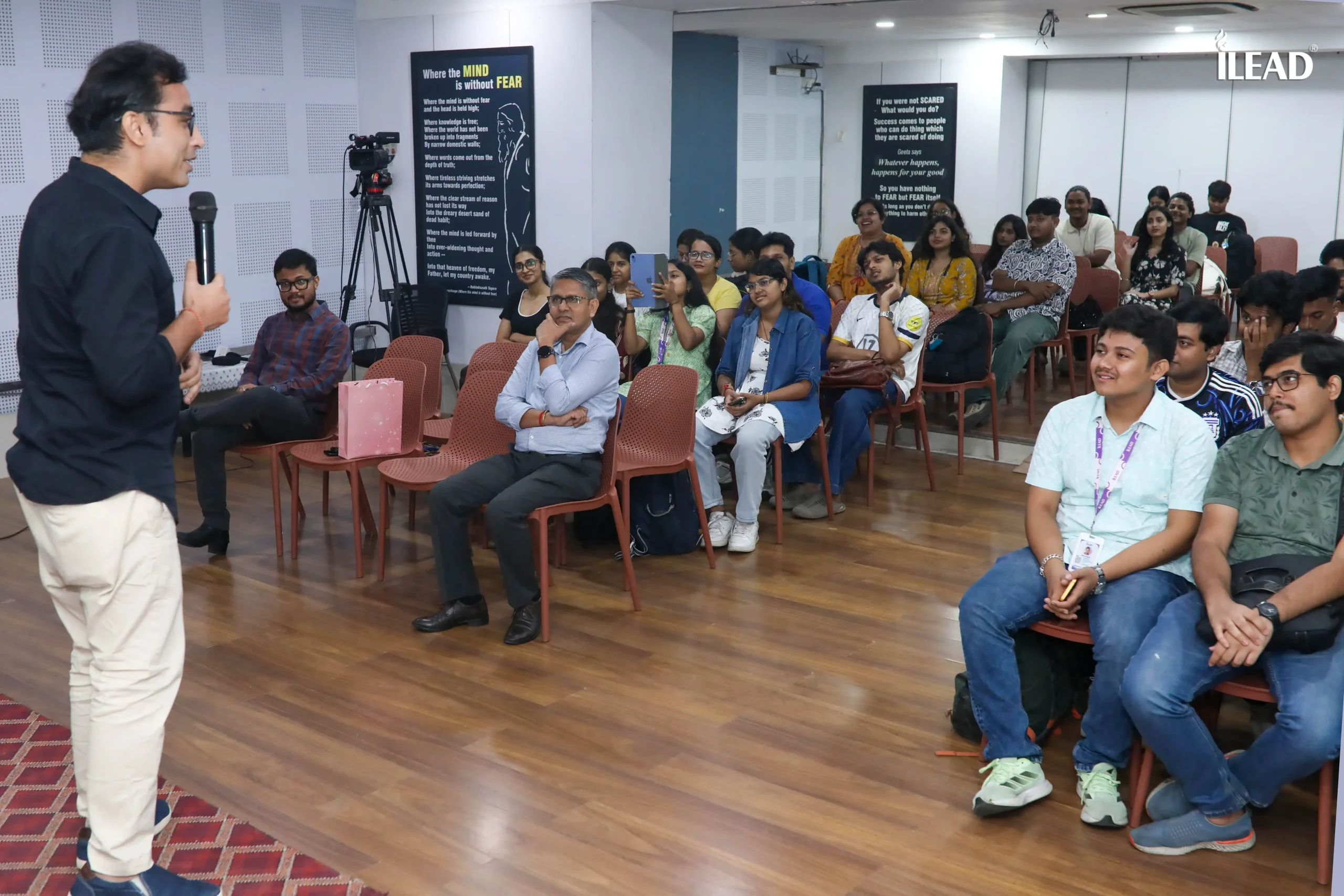 Select
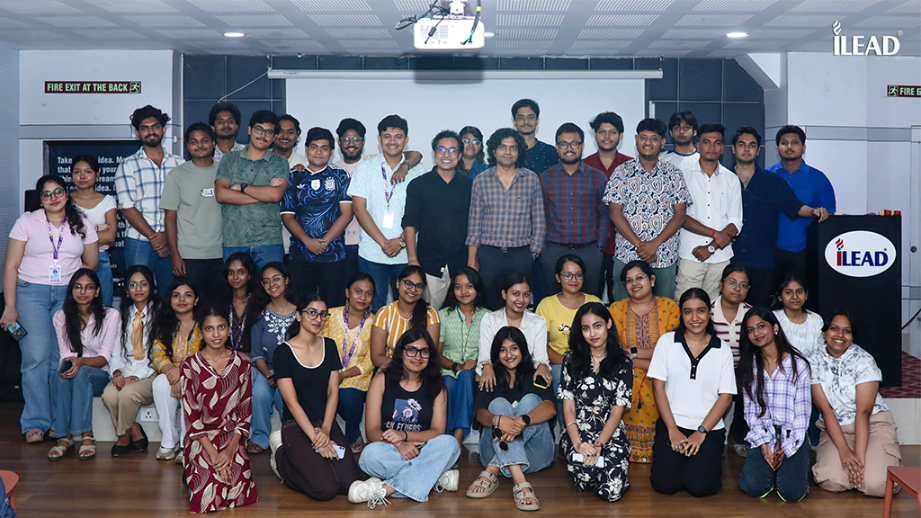
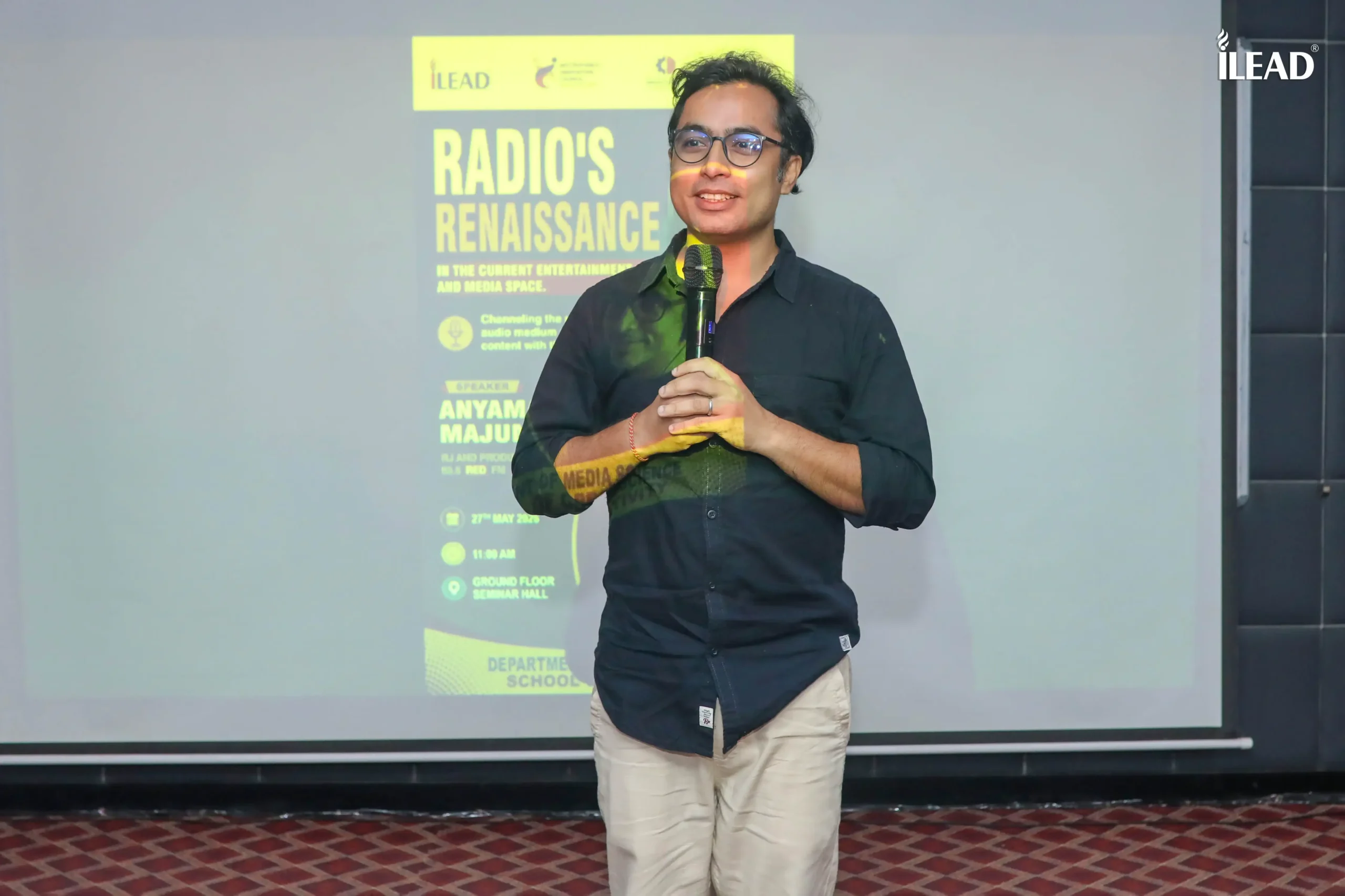
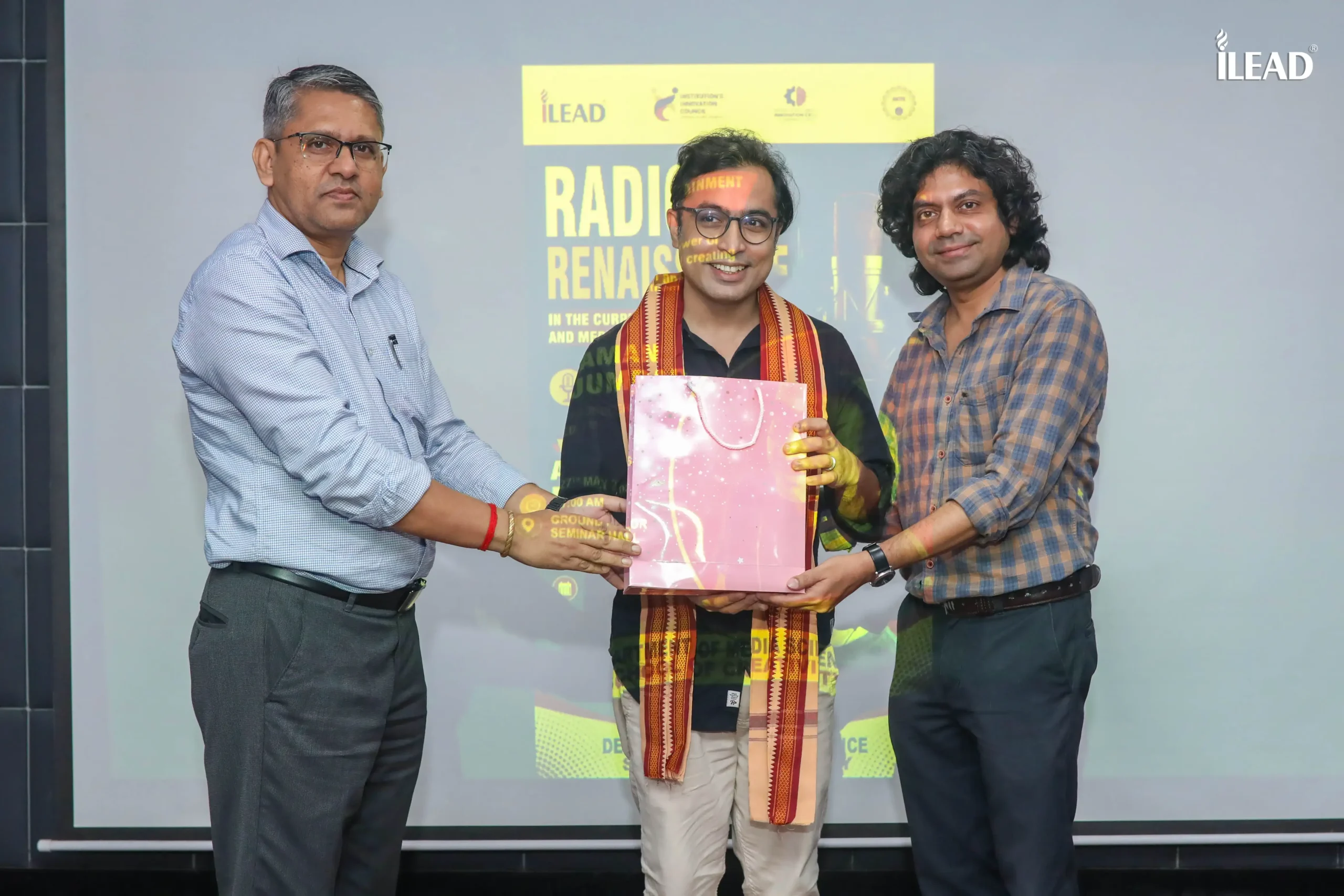
The Department of Media, Journalism, and Mass Communication organised an insightful guest lecture on 27th May 2026 titled Radio’s Renaissance in the Current Entertainment and Media Space. The session was conducted by Mr Anyaman Majumdar, Senior Producer at 93.5 Red FM Kolkata and Co-founder and CEO of Calcutta Comedy Company.
The lecture aimed to help students understand how radio continues to remain relevant in the modern media industry. Through real examples, industry experiences and practical activities, students gained a deeper understanding of the changing role of radio in today’s digital world.
Radio in the Digital Age
The session explored how radio continues to remain relevant in an increasingly digital media environment. Students learned how traditional broadcasting is evolving through technology, innovation, and audience engagement while maintaining its unique connection with local communities.
A Creative Media Journey
Mr Anyaman Majumdar began by sharing professional experiences across different areas of media and entertainment. He spoke about his journey from being a Radio Jockey to becoming a producer, scriptwriter, lyricist, event host, and entrepreneur. His career path demonstrated how media professionals can build expertise across multiple creative fields. Students gained a better understanding of the diverse opportunities available within the media industry.
Breaking the Radio Myth
The session began with a simple yet thought-provoking question: Mr Majumdar asked students how many of them had listened to a traditional radio set during the previous week. When only a few students responded positively, he used the moment to explain that radio should no longer be defined by a physical device.
He highlighted that radio today exists across mobile applications, internet streams, podcasts, and digital platforms. Comparing the challenges faced by print and television media, he explained that radio continues to maintain strong audience engagement, particularly during daily commuting hours when listeners seek information, entertainment, and companionship.
Hyper Localisation Keeps Radio Relevant
A major focus of the lecture was the concept of hyper-localisation. Mr Majumdar explained that FM radio continues to thrive despite competition from global music streaming services. Using Kolkata specific examples, he pointed out that while streaming platforms can provide unlimited music choices. They cannot instantly inform listeners about traffic congestion on city flyovers, weather related disruptions or development in local neighbourhoods.
He emphasised that this close connection with local communities allows radio stations to build trust and remain relevant during festivals, emergencies, and major city events. According to him, this local presence remains radio’s strongest competitive advantage.
Radio and Digital Media Work Together
Mr Majumdar encouraged students to view digital media as a partner rather than a competitor to radio. Drawing from this experience at Red FM, he explained how content created for radio is often repurposed for multiple digital channels. He discussed how interview segments are converted into podcasts for on-demand listening. Humorous moments from radio shows are transformed into social media reels and short videos. He also explained how on air campaigns often extend to website and social media platforms where audiences participate through voting activities and hashtag based engagement. These examples helped students understand the growing importance of cross-platform storytelling in contemporary media.
Practical Exercise on Audio Storytelling
The second half of the session focused on hands-on learning. Students were divided into groups and assigned an interesting challenge. They had to create a thirty-second radio advertisement for a fictional Kolkata sweet shop using only voice, music, and sound effects. Groups presented ideas through a live microphone, simulating an actual radio broadcast.
Mr Majumdar evaluated each presentation and demonstrated how small changes in voice delivery, timing and sound placement could significantly influence audience emotions and message and effectiveness. The activity gave students first hand experience of what radio professionals call the ‘theatre of the mind’ where audio alone creates vivid mental imagery.
Discussions on Media Courses and Industry Trends
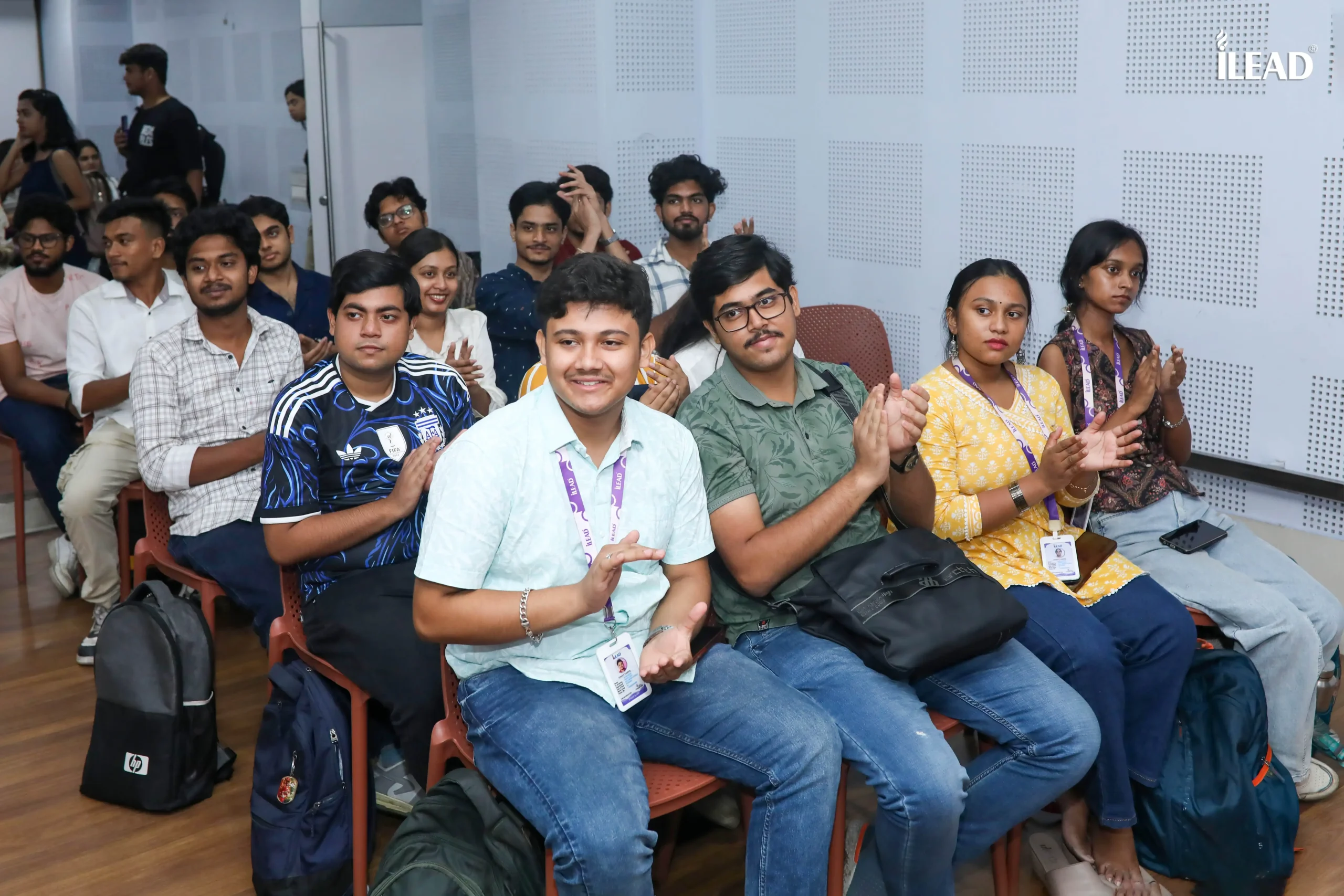
The lecture concluded with an interactive question and answer session. Students actively discussed the future of radio in a world increasingly dominated by smart devices and internet-enabled vehicles. Responding to these concerns, Mr Majumdar explained that major radio networks are already expanding through applications and online streaming platforms.
He stressed that while technology changes, audiences continue to value authentic human voices and curated content. Another discussion focused on his entrepreneurial journey with Calcutta Comedy Company. He explained how the principles of radio storytelling closely resemble stand up comedy structures involving setup, surprise, and punchline.
He encouraged students to see media education as a versatile skillset that can lead to careers across broadcasting, entertainment, content creation, and entrepreneurship.
The session provided students with a fresh perspective on the future of audio media. Through practical demonstration, industry examples, and meaningful discussions, Mr Anyaman Majumdar showed how radio continues to reinvent itself within the modern media ecosystem. The lecture inspired students to embrace adaptability, develop multi-platform skills, and recognise the enduring value of local storytelling in a rapidly changing digital world.
Event Gallery