
 Select
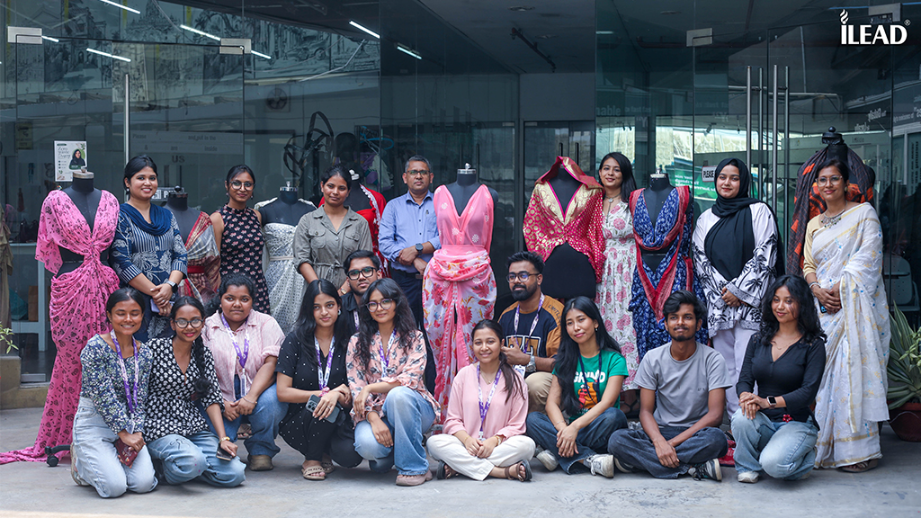
The Department of Fashion Design recently brought students together for something a little different. Instead of cutting and stitching in the usual way, the Zero Waste Draping workshop asked a simple but powerful question. What if we could design beautiful garments without throwing anything away?
It was a refreshing shift in perspective, and students left with far more than just new techniques.
Why Zero Waste Matters Now
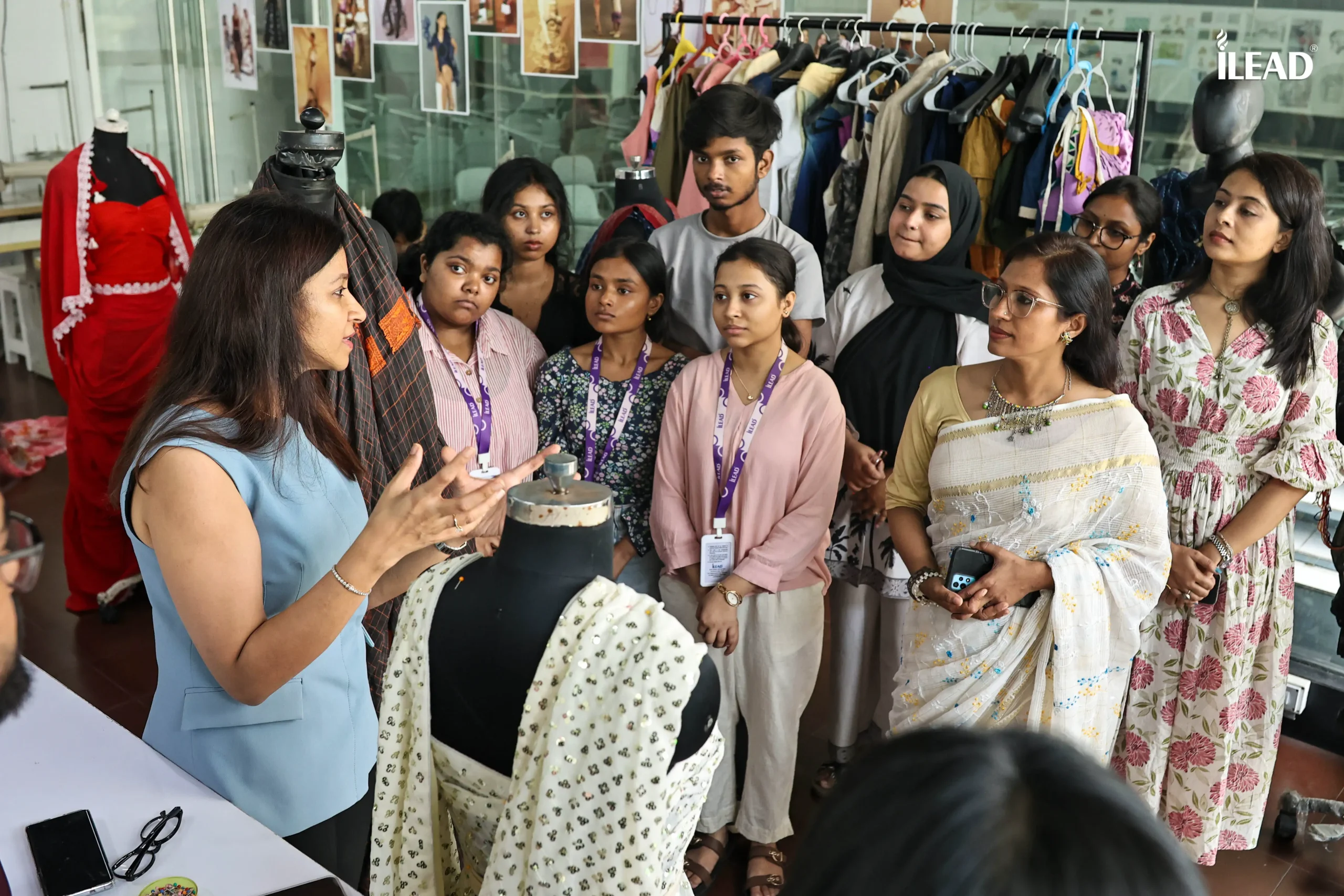
Fashion has a waste problem. Most people do not realise how much fabric ends up on the cutting room floor during traditional garment production. The workshop opened with this honest view of the industry. Students explored how conventional methods often treat leftover fabrics as an inevitable byproduct. Zero waste design challenges that assumption completely. It pushes designers to be smarter, more intentional, and more resourceful from the very beginning of the creative process. For many students, this was their first real encounter with sustainable design thinking; it sparked genuine curiosity.
Giving Sarees a Second Life
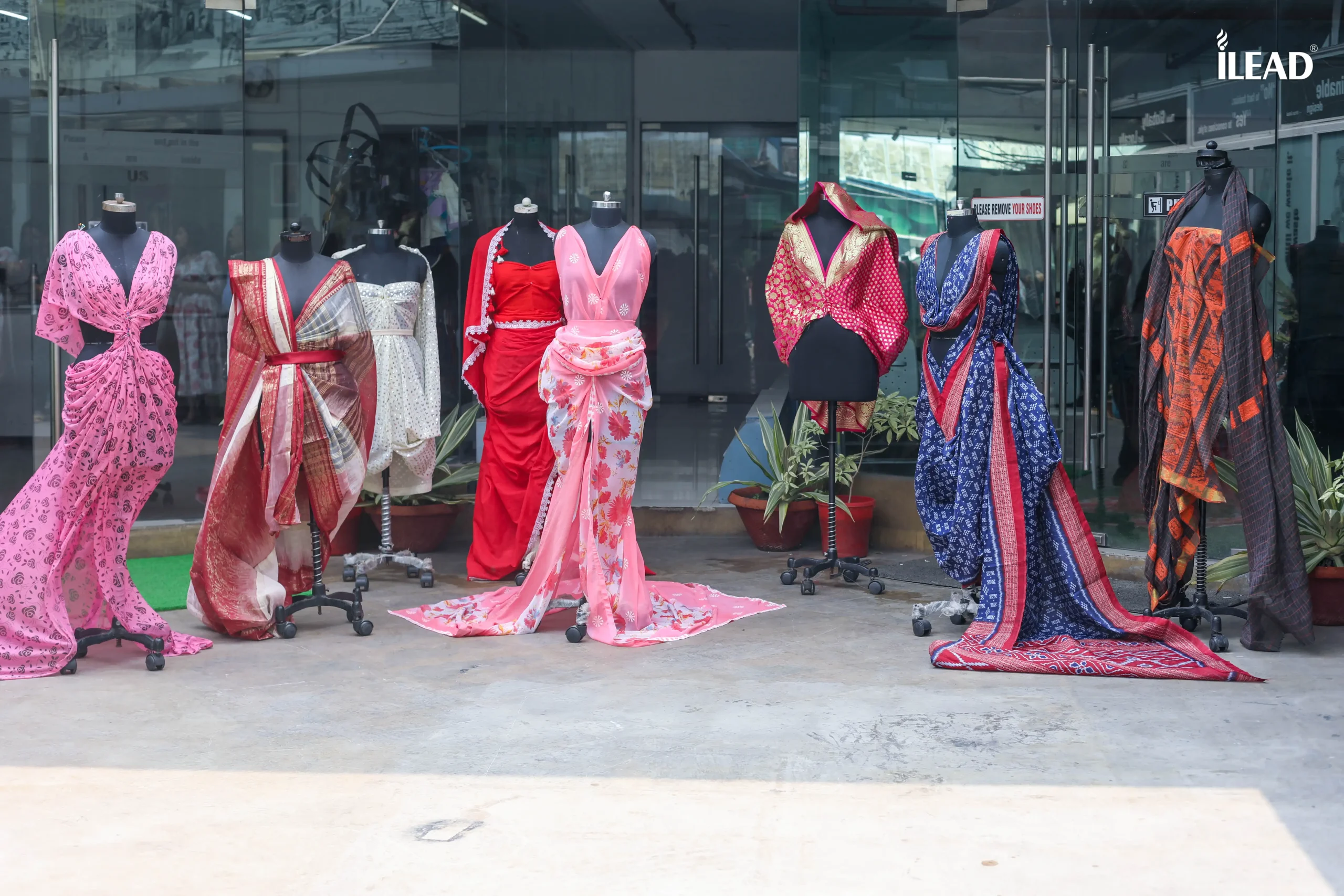
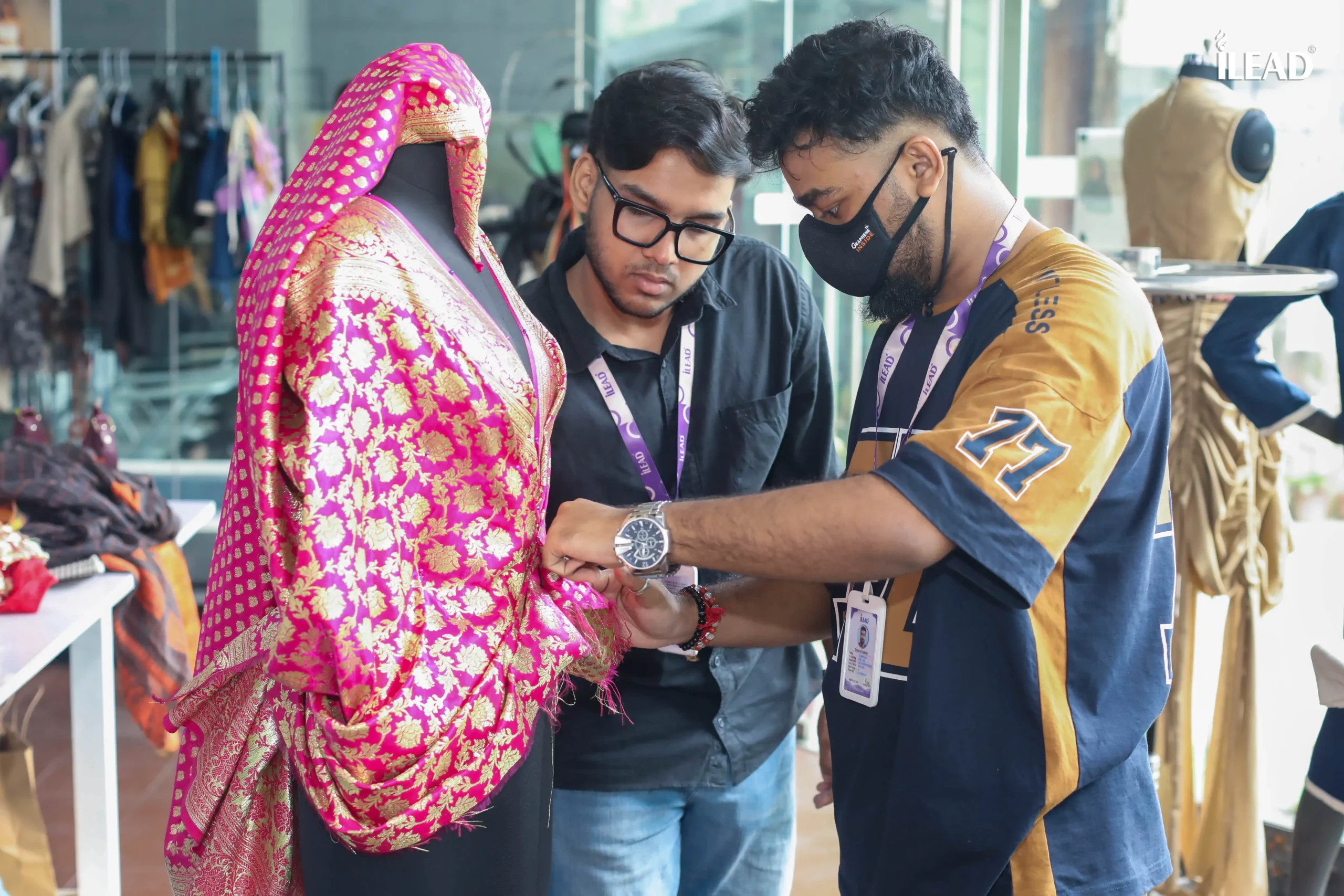
One of the most exciting parts of the workshop was working with sarees. These are long, beautiful lengths of fabric that already carry so much history and character. The challenge was to transform them into contemporary garment forms without cutting away large sections. Students had to think creatively. How do you reshape something without destroying it? How do you give an old textile a fresh purpose while honouring what it already is?
The answers they discovered surprised even themselves. Through folding, tucking, and wrapping, familiar fabrics became something entirely new. It was a powerful reminder that innovation does not always require starting from scratch.
Playing With Fabrics and Form
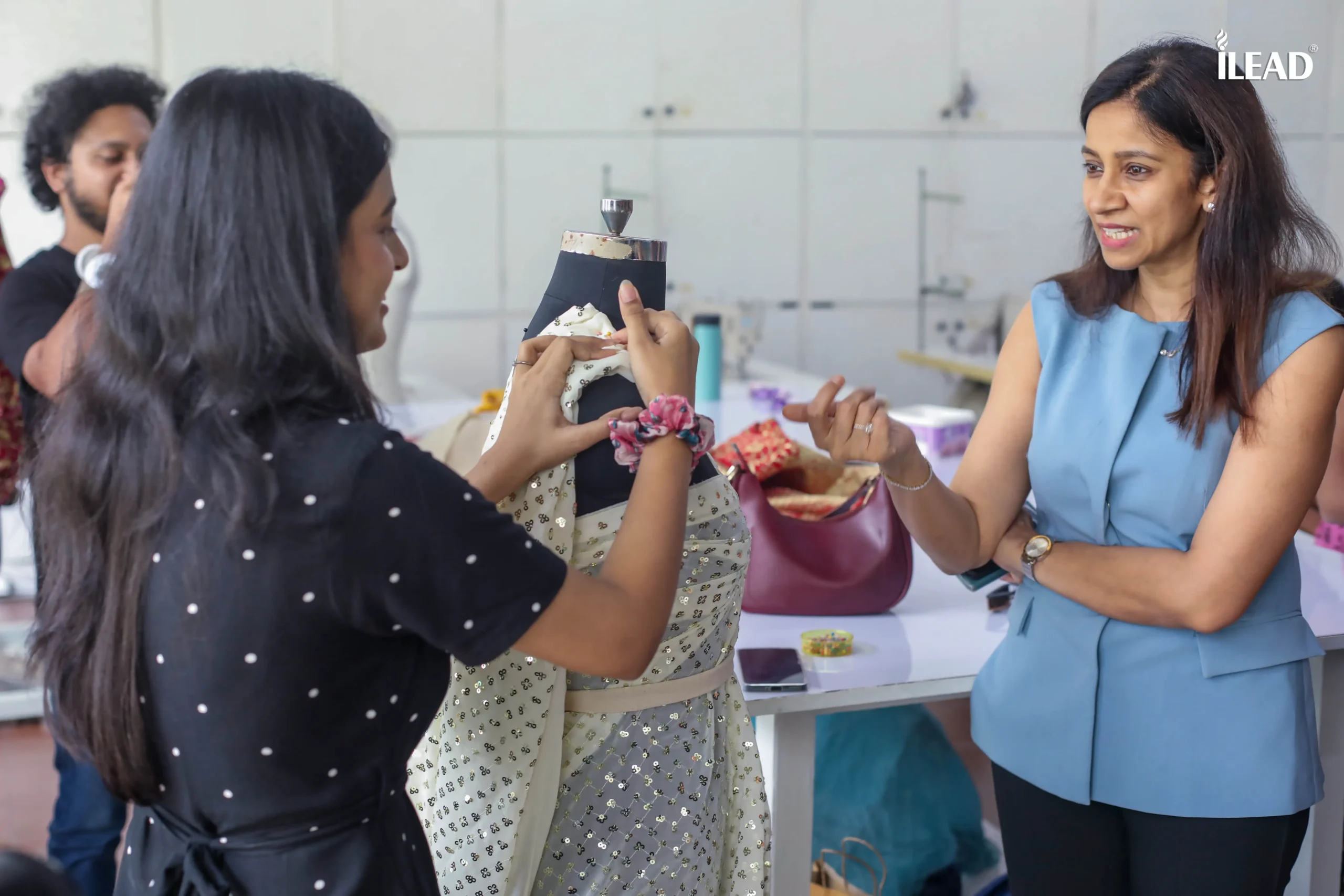
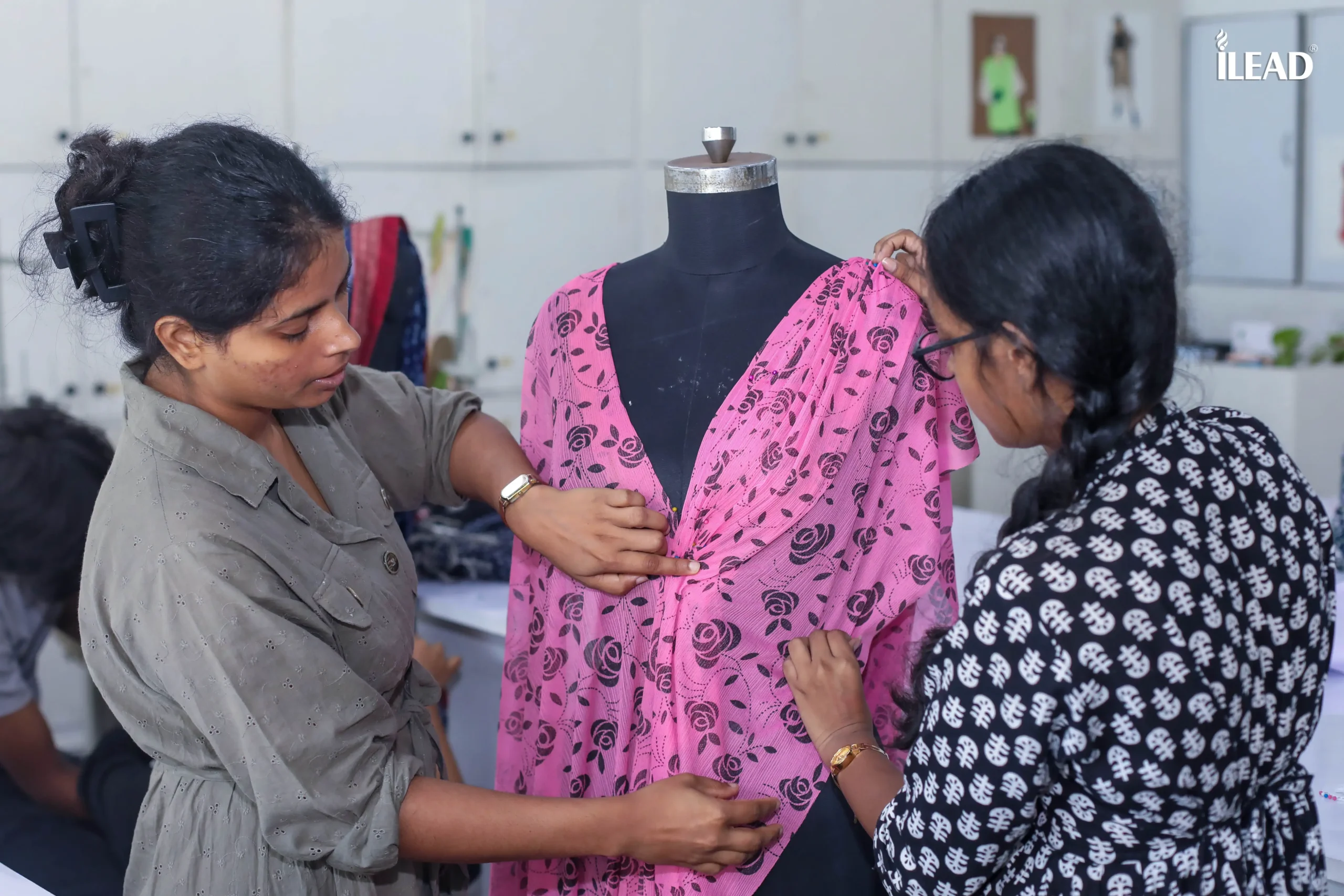
With various fabric lengths spread across the studio, students began experimenting freely. The goal was simply to drape, observe, adjust and discover. What unfolded was genuinely exciting. A single piece of fabric, manipulated with care and curiosity, took on entirely different silhouettes depending on how it was handled. Students saw firsthand how much possibility lives within a single uncut length of cloth. This hands-on experience also deepens their understanding of how fabrics behave. Drape is not just a technique; it is a conversation between the designer and the material.
Thinking Through Design Challenges
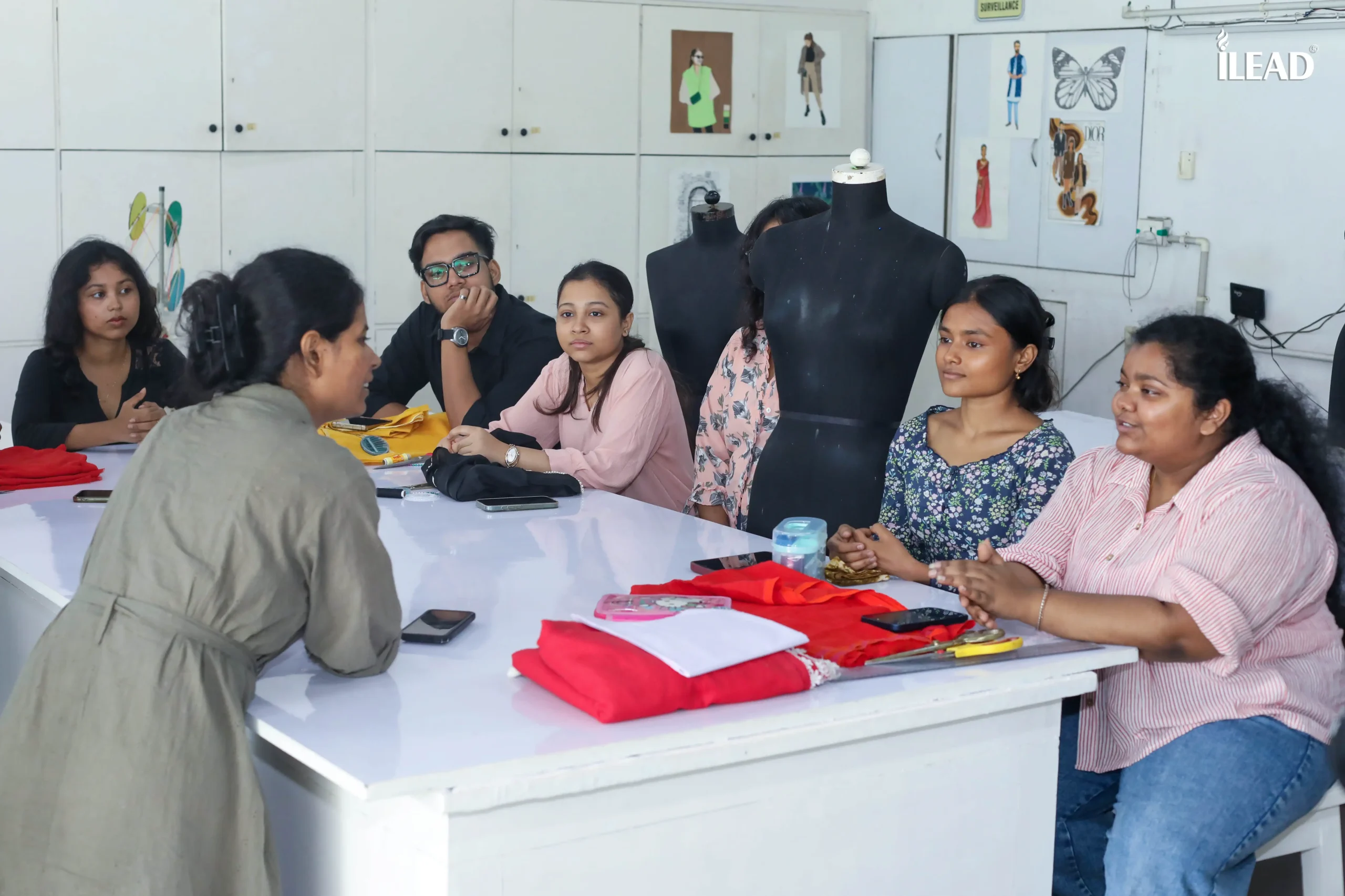
Working with constraints is one of the most valuable skills a designer can develop. The workshop placed students in exactly that situation: limited resources, open possibilities and no predefined answers. As they navigated different draping challenges, students had to make real decisions. They had to weigh aesthetics against practicality, creativity against functionality. There were moments of frustration and genuine breakthroughs. This kind of problem-solving builds a different kind of confidence. It teaches students to trust their instincts while staying thoughtful about their choices.
Making the Most of Every Inch
Resource optimisation sounds like a business term, but in the context of this workshop, it felt deeply personal. Students were guided through strategies to maximise fabric usage at every stage. They learned to see waste not as something unavoidable but as a design failure worth preventing. Every scrap of material has value; every centimetre counts. This mindset goes beyond the studio; it connects to larger conversations about environmental responsibility, cost efficiency and the kind of designer students want to become.
Freedom to Experiment
Perhaps the best thing about the workshop was the atmosphere it created. There were no wrong answers. Students were encouraged to test bold ideas, try unexpected approaches, and embrace happy accidents along the way. The studio buzzed with energy. Garment shapes emerged that nobody had planned. Students referenced their craftsmanship not by following a pattern but by responding to what the fabric was telling them. That kind of creative freedom is rare and deeply valuable.
The Zero Waste Draping Workshop was more than a technical session; it was a shift in mindset. Students walked away with practical skills, but more importantly, they walked away thinking differently about what fashion can and should be. Sustainability is not a limitation; in the right hands, it becomes the foundation for some of the most inventive design work imaginable. That is the lesson this workshop delivered beautifully.
Event Gallery